
Ở cữ, Evolved: How Modern Vietnamese Mothers Are Reclaiming Their Postpartum Heritage
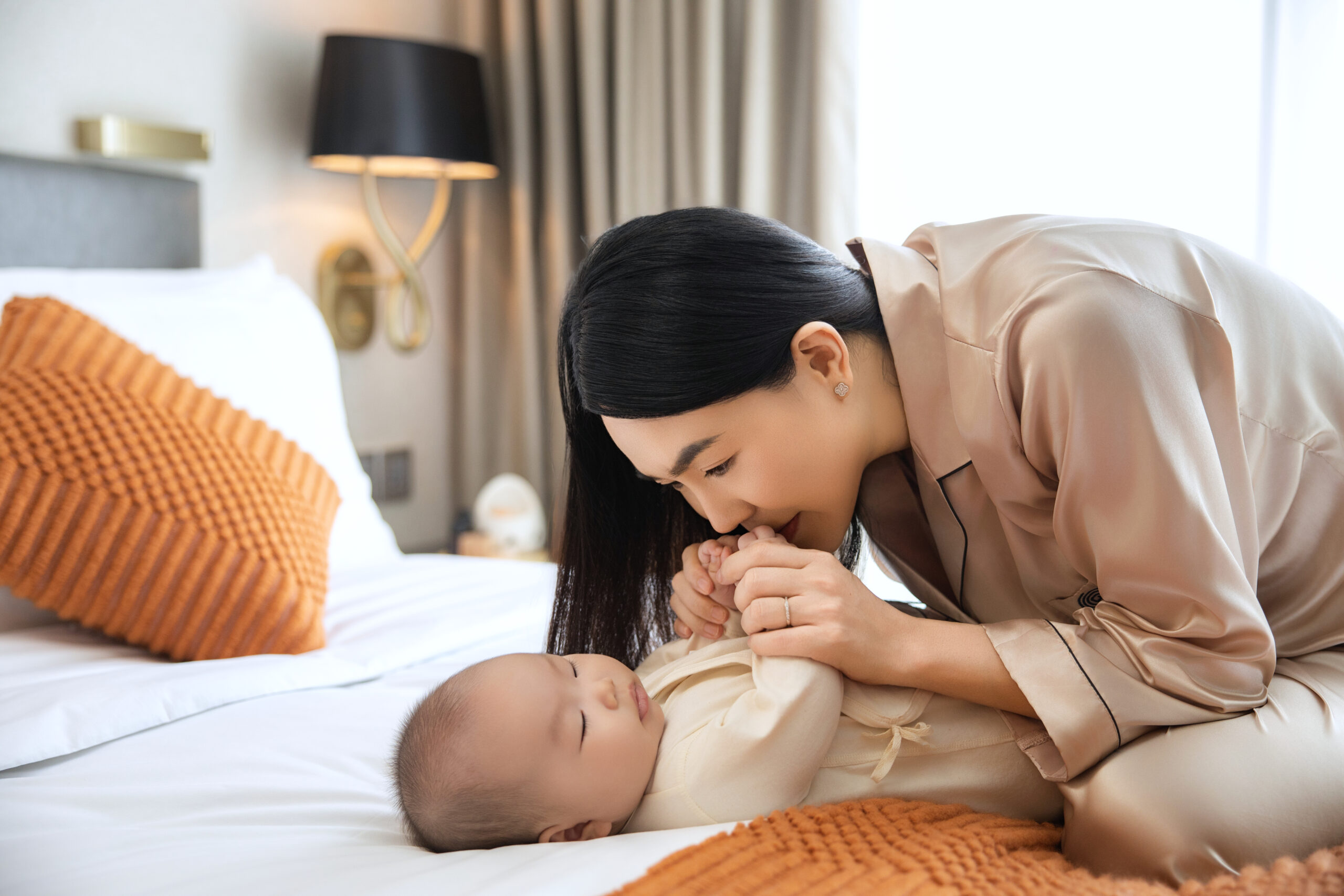
For thousands of years, Vietnamese culture has understood something that modern medicine is only now beginning to formally quantify: the weeks after birth are not a return to normal. They are a distinct biological state – a window of vulnerability and opportunity unlike any other in a woman’s life.
Ở cữ, the traditional Vietnamese practice of postpartum confinement, was built around this understanding. Rest. Warmth. Nourishing food. Supported motherhood. These were not superstitions. They were a sophisticated cultural response to the physiological realities of the postpartum period.
Yet somewhere between generations and geographies, Ở cữ began to feel like a set of restrictions rather than a gift. A tradition to endure rather than embrace.
At The Joyful Nest, we believe it is time to reclaim Ở cữ – not as it was once enforced, but as it was always intended: as a period of profound, honoured recovery.
| WHAT IS Ở CỮ?
Ở cữ (pronounced “uh guh”) is the Vietnamese practice of postpartum confinement, typically lasting 30 to 40 days after birth. Rooted in traditional Vietnamese medicine and shaped by Chinese influence, it prescribes rest, warmth, specific foods, and protection from wind and cold. Similar traditions exist across cultures – zuo yuezi in China, cuarentena in Latin America, jaga pantang in Malaysia – each encoding ancient wisdom about the postpartum body. |
The Science Behind the Tradition
Modern researchers have spent decades examining traditional postpartum practices across cultures – and what they are finding is striking. Many of the principles embedded in Ở cữ align closely with evidence-based postpartum medicine.
The emphasis on warmth, for example, corresponds to what we know about thermoregulation during postpartum recovery. Following birth, the body has a reduced capacity to maintain core temperature, particularly in the early weeks. Staying warm is not merely cultural comfort – it supports physiological stabilisation.
The instruction to rest aligns with what researchers now understand about the postpartum immune system. In the weeks after birth, the immune system is recalibrating. Physical overexertion during this period can delay healing, disrupt hormonal recovery, and increase vulnerability to infection.
The prescribed foods – gừng (ginger), nghệ (turmeric), măng (bamboo), đu đủ xanh (green papaya), and warming soups rich in collagen and protein – are not arbitrary. They provide precisely what the postpartum body needs: anti-inflammatory compounds, galactagogues to support milk production, collagen for tissue repair, and dense nutrition for energy restoration.
Even the social aspect of Ở cữ – the expectation that the new mother will be cared for by her community – reflects what we now understand about the protective role of social support in preventing postpartum depression.
| RESEARCH NOTE
Research on Ở cữ and postpartum mental health is active and evolving. A study published in BMC Pregnancy and Childbirth found that social support during the Vietnamese postpartum confinement period was associated with improved postnatal wellbeing outcomes. Broader research consistently identifies the core elements of Ở cữ – structured rest, adequate nutrition, and community support – as protective against postpartum depression, though the evidence on traditional confinement practices specifically remains an area of ongoing study. |
Where “Ở cữ” Needs to Evolve
The wisdom of Ở cữ is real. But some of its traditional prescriptions have not aged as well as others – and a modern approach to postpartum care must be honest about this.
The prohibition on bathing, for example, was rooted in a pre-modern understanding of infection risk. In an era before clean water and indoor plumbing, avoiding bathing during the early postpartum period made some sense. Today, personal hygiene is a clinical necessity, not a risk. Gentle, warm bathing actively supports wound healing and reduces infection risk.
Similarly, the instruction to avoid air conditioning entirely can, in the context of Ho Chi Minh City’s climate, create genuine heat stress – which is itself a physiological burden on a recovering body.
And some versions of Ở cữ restricted movement so severely that mothers developed musculoskeletal stiffness and missed critical windows for gentle pelvic floor rehabilitation.
The question is not whether to observe Ở cữ, but how to observe it wisely – retaining its evidence-aligned elements while releasing what the science no longer supports.
The Modern “Ở cữ” Framework at The Joyful Nest
At The Joyful Nest, we have developed what we call the Modern Ở cữ Framework: a clinically informed approach to Vietnamese postpartum tradition that honours the practice while updating it for contemporary mothers.
Our framework rests on four pillars:
- Structured rest with supervised gentle movement. We support 40 days of prioritised rest while incorporating evidence-based pelvic floor rehabilitation and gentle mobility exercises guided by our clinical team.
- Traditional Vietnamese postpartum nutrition, enhanced. Our culinary team works closely with our nutritionists to create menus built on traditional postpartum foods – ginger broths, warming soups, galactogenic herbs – prepared to the highest standards and supplemented where modern nutritional science identifies gaps.
- Warmth without heat stress. Our suites maintain optimal temperature ranges for postpartum recovery, drawing on both traditional warmth principles and modern thermoregulation knowledge. Air conditioning is calibrated, not eliminated.
- Supported community. The communal care of traditional Ở cữ is replicated through our clinical and wellbeing team: continuous, present, attentive. For mothers whose families cannot be physically present, The Joyful Nest becomes that community.
The Diaspora Dimension
For Vietnamese mothers living abroad, or returning to Vietnam from overseas, Ở cữ carries an additional layer of meaning. It is a connection to culture – a way of honouring heritage during one of life’s most significant transitions.
Many Viet Kieu mothers have told us that observing Ở cữ in Vietnam – in a setting where the practice is understood, respected, and expertly facilitated – was part of their motivation for travelling home for their postpartum period. At The Joyful Nest, this cultural dimension is woven into everything we do.
| CULTURAL CONTEXT
The Joyful Nest is Vietnam’s first 5-star postpartum sanctuary, located at Oakwood Residence Saigon in District 7, Ho Chi Minh City. Our approach combines the depth of Vietnamese postpartum tradition with international clinical standards, creating a space where modern mothers can observe Ở cữ in its most evolved and evidence-aligned form. |
What Ở cữ Gets Right That Western Postpartum Culture Gets Wrong
In many Western cultures, the dominant postpartum narrative is one of resilience and rapid return: to fitness, to work, to pre-pregnancy life. New mothers are often discharged from hospital within 48 hours and expected to resume normal function within weeks.
The evidence increasingly suggests this is a mistake. Postpartum recovery takes time – real time, measured in weeks, not days. The physiological changes of pregnancy and birth do not reverse in 48 hours. Hormonal recalibration, tissue healing, and the establishment of lactation are sustained processes that require sustained support.
Ở cữ, for all its cultural specificity, encodes a truth that Western postpartum culture has largely forgotten: the time after birth belongs to the mother. It is not a productivity gap to be minimised. It is a sacred window to be protected.
The most sophisticated postpartum care in the world – whether at The Joyful Nest in Ho Chi Minh City, Ahma & Co in California, or Homb in Melbourne – draws on this same fundamental principle: recovery requires space, time, and expert support. Ở cữ, evolved, is how Vietnam has always known this.
Frequently Asked Questions
Q: Is Ở cữ suitable for mothers who had a C-section?
A: Yes, with appropriate modifications. C-section recovery involves additional wound care and different mobility considerations, but the core principles of Ở cữ – rest, nourishment, warmth, and supported recovery – are equally applicable. At The Joyful Nest, our clinical team tailors the Ở cữ framework to each mother’s specific birth experience and recovery needs.
Q: How does The Joyful Nest incorporate Ở cữ into its programs?
A: Our programs are built around the principles of Ở cữ, reinterpreted through a contemporary clinical lens. Traditional postpartum foods, structured rest protocols, warmth management, and community-style care are all central elements. We also offer cultural consultation for families who wish to maintain specific family traditions during their stay.
Q: What if I have a non-Vietnamese partner or mother-in-law with different expectations?
A: This is a common consideration for our multicultural families. Our wellbeing team is experienced in facilitating conversations about postpartum care approaches across cultural perspectives. We can help families navigate different expectations with evidence-based information that all parties can understand and appreciate.
Q: Is there a scientific consensus on the value of postpartum confinement practices?
A: Research consistently finds that the core elements of postpartum confinement – rest, nutrition, warmth, and social support – are associated with better maternal outcomes when implemented thoughtfully. The key is distinguishing evidence-aligned elements from practices that are no longer supported by modern understanding, which is exactly what the Modern Ở cữ Framework at The Joyful Nest does.
| Experience Ở cữ as it was always meant to be – nourishing, supported, and expertly guided. Enquire about The Joyful Nest programs today. hello@thejoyfulnest.com – www.thejoyfulnest.com – 0392 048 299 |

You may also like...
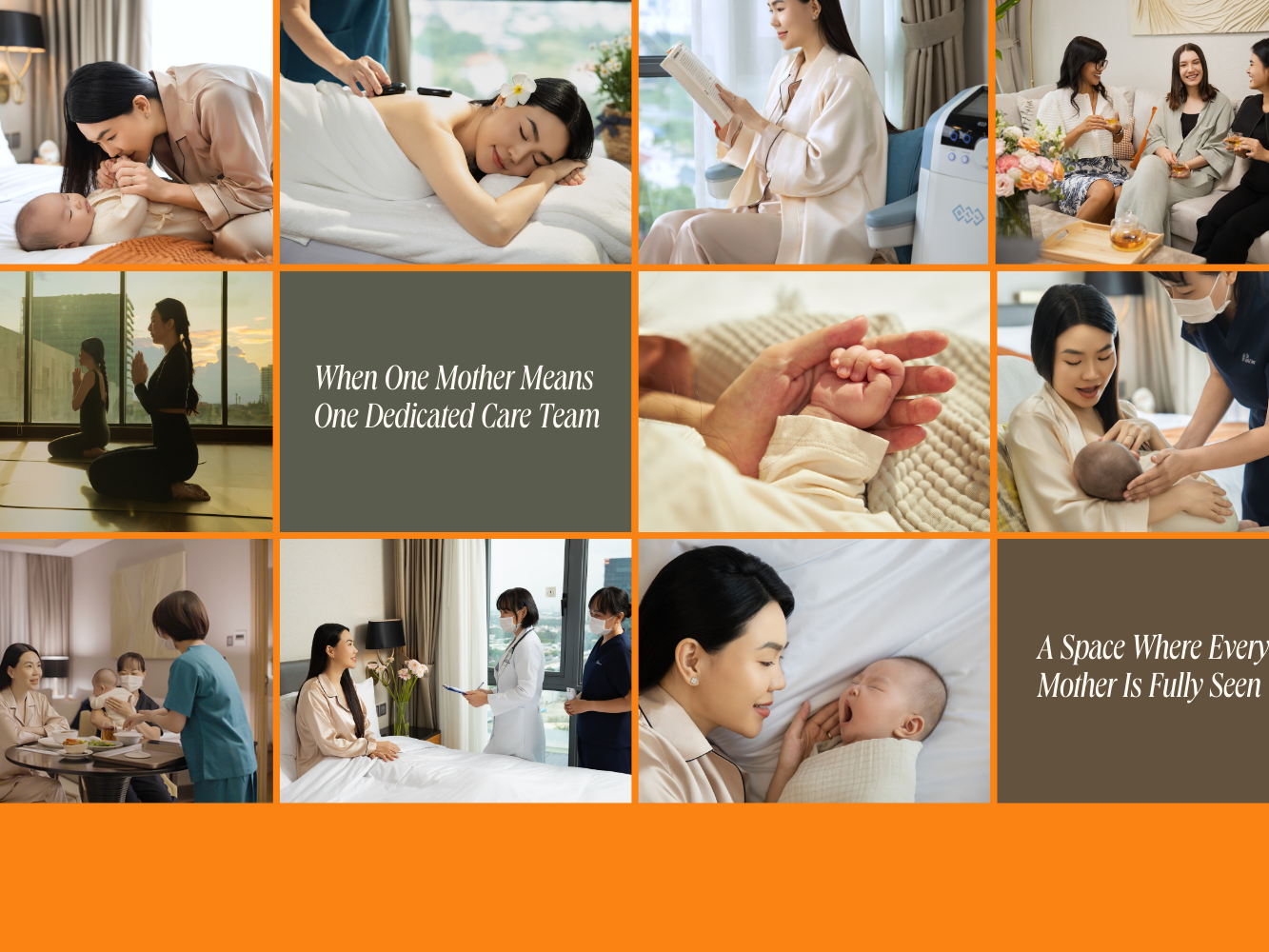
Why Staff Ratios Are the Most Important Thing You’re Not Asking About When Choosing a Postpartum Center
When families begin researching postpartum centers in Ho Chi Minh City, they typically ask the same questions. How large is the suite? Is there a…
Fire Horse baby 2026: Warmth beneath the Energy
There is a moment - often quiet, sometimes overwhelming - when a mother senses that life is about to change forever.If you are welcoming a baby in…
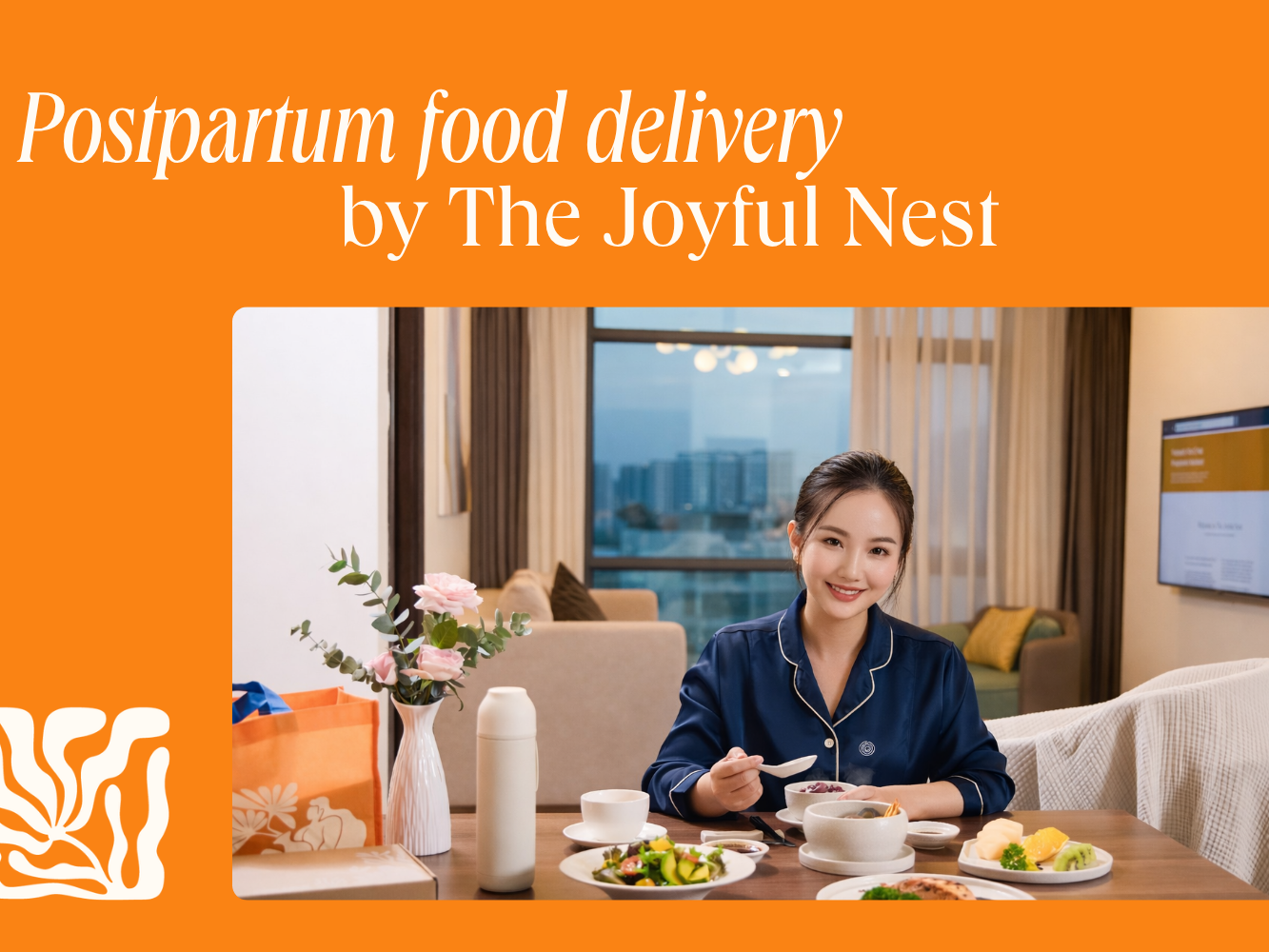
Postpartum Food Delivery by The Joyful Nest
When Postpartum Nutrition Becomes a Source of Reassurance for Recovery Amid the profound changes at the beginning of motherhood, nutrition is not…


