

Postpartum Superfoods for Recovery: Nourish Your Body and Soul
Becoming a new mom is a beautiful and transformative experience, but it also places unique demands on your body. After childbirth, your body needs time, care, and nourishment to recover and regain strength. Incorporating nutrient-rich foods into your diet is a wonderful way to support postpartum healing while also fueling your energy levels for the days ahead. This guide highlights the top postpartum superfoods that can help you recover and thrive during this precious season of motherhood.
Why Postpartum Nutrition Matters
The postpartum period is a time of immense change, both physically and emotionally. Proper nutrition not only aids in physical recovery but also supports hormone regulation, boosts milk supply for breastfeeding moms, and enhances overall well-being. By prioritizing foods rich in essential vitamins and minerals, you can nurture your body and mind as you adjust to life with your little one.
Top Postpartum Superfoods
1. Leafy Greens
Spinach, kale, and other leafy greens are a powerhouse of nutrients like iron, calcium, and folate. These nutrients support your body’s recovery by replenishing stores lost during pregnancy and childbirth. They are also an excellent source of antioxidants, which can help reduce inflammation and promote overall health.
2. Salmon
Rich in omega-3 fatty acids, particularly DHA, salmon supports brain health and may help prevent postpartum depression. Its anti-inflammatory properties also aid in healing and restoring your body after delivery. Aim for wild-caught salmon, which is a clean and nutrient-dense option.
3. Eggs
Packed with high-quality protein, eggs are a versatile and easy-to-prepare postpartum staple. They also contain choline, a nutrient that plays a vital role in brain development and cognitive function for both mom and baby.
4. Whole Grains
Oats, quinoa, and brown rice are excellent whole grains to incorporate into your diet. These complex carbohydrates provide a steady source of energy, helping combat the fatigue commonly experienced during early motherhood. Additionally, oats are known to support lactation for breastfeeding moms.
5. Bone Broth
Bone broth is rich in collagen, amino acids, and minerals that aid in tissue repair and recovery. Sipping on warm, nutrient-dense broth can help replenish your body and provide hydration in a soothing way.
6. Greek Yogurt
Calcium and probiotics are essential for postpartum recovery, and Greek yogurt delivers both in abundance. Probiotics support gut health and the immune system, while calcium is crucial for maintaining bone health, especially if you are breastfeeding.
7. Avocado
Creamy and nutrient-dense, avocados are an excellent source of healthy fats, vitamins E and C, and potassium. These nutrients aid in skin healing, fighting fatigue, and maintaining hydration.
8. Goji Berries
Goji berries, often referred to as a superfood in traditional Chinese medicine, are rich in antioxidants, vitamin C, and iron. These small, vibrant berries are known to support immune health, improve energy levels, and promote overall vitality, making them an ideal addition to postpartum recovery.
9. Ginger
Widely used in Chinese cooking and healing practices, ginger is cherished for its warming properties. It aids in digestion, reduces inflammation, and promotes blood circulation, helping the body heal and recover more effectively after childbirth.
10. Red Dates (Jujube)
Red dates are a staple in many postpartum diets due to their ability to replenish blood and energy levels. Packed with vitamins, iron, and natural sugars, they can be simmered into teas or soups to deliver gentle nourishment and comfort.
Simple Tips to Incorporate Postpartum Superfoods
- Meal Prep Ahead: Preparing a few nourishing meals or snacks in advance can make it easier to stay on track with healthy eating once your baby arrives.
- Stay Hydrated: Pair your meals with plenty of water or herbal teas to stay hydrated and aid digestion.
- Get Creative: Incorporate superfoods into smoothies, soups, and salads for diverse and flavorful meals.
Honoring Your Postpartum Journey
Taking care of yourself in the postpartum period is one of the greatest gifts you can give to yourself and your family. By prioritizing nutrient-rich superfoods, you are providing your body with the fuel it needs to recover and thrive. Listen to your body, nourish it with love, and allow yourself the time and space to heal. Remember, your well-being matters, and you deserve to feel strong, vibrant, and supported as you step into this new chapter of motherhood.


Postpartum Hair Loss: Prevention and Treatment
Motherhood is a beautiful transformation - a symphony of joy, tenderness, and resilience. Yet, as you cradle your little one in your arms, you may find strands of hair woven between your fingers or scattered across the bathroom floor. Postpartum hair loss, though a natural part of this chapter, can feel overwhelming and unfamiliar. Take heart, dear mom—this season is temporary, and with gentle care, your hair's vitality can be lovingly restored.
The Gentle Whispers of Change
During pregnancy, your body orchestrates a masterpiece. Elevated estrogen levels work their magic, prolonging the growth phase of your hair cycle. Your locks become thicker, fuller—a radiant crown befitting this miraculous time. But as your body finds its rhythm post-birth, estrogen gently steps back, and the hair that lingered during pregnancy begins to shed.
This phenomenon, known as postpartum hair loss—or telogen effluvium—often peaks around three to four months postpartum. While it can feel distressing, it is a natural recalibration of your body's hormonal balance, and, in most cases, temporary.
Nurturing Prevention for Your Locks
While postpartum hair loss cannot always be entirely avoided, there are steps you can take to nurture your hair and promote its strength:
1. A Nourished Body Blooms Beautiful Hair
Your hair reflects your overall health. After birth, your body requires additional nourishment to recover and thrive. Enrich your meals with whole, nutrient-dense foods:
- Protein supports hair structure; lean meats, lentils, and eggs are wonderful sources.
- Iron fuels hair growth; find it in spinach, beans, and lean red meat.
- Biotin and Zinc fortify hair strands and can be found in nuts, seeds, and avocados.
For additional support, consider a postnatal multivitamin tailored to new moms, but always consult your health care provider before adding supplements.
2. Gentle Care for Fragile Strands
Your hair is a delicate thread during this period, craving the softness of your touch.
- Swap tight ponytails and harsh elastics for soft, loose styles.
- Choose wide-tooth combs and natural bristle brushes to detangle with love.
- Opt for shampoos and conditioners that are free of sulfates and harsh chemicals. Look for products enriched with natural oils like argan or coconut to impart moisture and strength.
3. Rest for Your Mind and Body
Sleep may feel elusive with a newborn, but find moments to rest when you can. Stress hormones like cortisol can impact hair growth, so practice self-kindness. Lean on your village, be it family, friends, or support groups, and grant yourself grace as you adjust to this new rhythm.
Treatments to Revitalize and Restore
If you're yearning to nourish your hair further during this phase, there are gentle, effective options available:
1. Scalp Massages
Devote a few minutes each evening to an oil massage. Warm a small amount of coconut or castor oil in your hands and massage your scalp in circular motions. This gentle ritual not only enhances blood flow to hair follicles but also soothes a weary mind.
2. Hair Masks
Indulge in weekly treatments with hydrating hair masks. Ingredients like honey, aloe vera, and yogurt provide natural nourishment to revitalize your locks.
3. Professional Treatments
Consult a trichologist or dermatologist for advanced options if your hair loss feels more pronounced or persists. They may recommend treatments like low-level laser therapy or topical solutions designed to stimulate growth.
4. Traditional Chinese Medicine (TCM) for Hair Loss
Rooted in centuries of holistic healing, Traditional Chinese Medicine (TCM) offers a gentle and nurturing approach to addressing postpartum hair loss. According to TCM, hair health is closely linked to the balance of vital energies—Qi and blood—within the body. Treatments often aim to invigorate blood circulation, harmonize energy flow, and nourish essential organs, such as the kidneys and liver, that are believed to support healthy hair growth.
Some popular TCM remedies include herbal formulas like He Shou Wu, renowned for its reputed ability to restore vitality and enhance hair thickness, and Dang Gui, an herb known for improving blood circulation.
Acupuncture is another widely used method, promoting relaxation and stimulating the scalp to encourage regrowth. Paired with dietary therapy, TCM emphasizes incorporating nutrient-rich, warming foods such as black sesame seeds, walnuts, and goji berries to replenish the body's energy reserves and foster hair restoration.
By weaving TCM practices into your self-care routine, you can honor your postpartum healing in a way that is both elegant and deeply attuned to your body’s natural rhythms. Always consult with a qualified TCM practitioner to tailor treatments to your unique needs, ensuring a safe and harmonious path to renewal.
The Beauty of Patience and Self-Care
Remember, postpartum hair loss is not a reflection of your beauty; it is a testament to your transition into motherhood—one of strength, sacrifice, and unparalleled love. Trust in the process, in your body's innate wisdom, and in your ability to nurture not only your little one but also yourself.
If you want extra personalized care for your postpartum hair or are unsure about how to begin, our dedicated team is here to help. Schedule a consultation with one of our specialists, and together we’ll design a custom plan to bring your hair back to its most radiant self.
You, dear mom, are luminous in every season of life.

A Gentle Guide to Colostrum Freezing for Expecting and New Mothers
Welcoming a newborn into the world is a moment of boundless joy and tender care. It’s a time when every decision feels significant, every gesture of preparation imbued with love. Among the myriad of choices, few actions are as thoughtful and impactful as freezing colostrum. Nicknamed "liquid gold," colostrum is your baby’s first taste of nourishment, a concentrated elixir rich in nutrients and immune-boosting properties.
This guide will gently take you through the process, importance, and practicalities of colostrum freezing, helping you prepare for your little one’s earliest days with confidence and grace.
Understanding Colostrum
What Is Colostrum?
Colostrum is the first milk produced by your body during pregnancy and the early days after birth. It differs from regular breast milk in both texture and composition. Thick and golden in color, colostrum is packed with proteins, antibodies, and essential nutrients that form a protective shield around your newborn’s delicate system. While regular breast milk comes in later with a thinner, whiter consistency, colostrum remains unparalleled in its benefits.
The Benefits of Colostrum
Often referred to as a baby’s "first vaccine," colostrum is a powerhouse of goodness. It strengthens your baby’s immune system, protects against infections, and even aids in the first bowel movement, helping to clear out meconium—the dark, sticky stool accumulated during pregnancy.
For mothers, sharing this intimate act of early feeding fosters connection, reassurance, and the sense that you’re providing the very best for your child.
The Process of Colostrum Freezing
Freezing colostrum is a simple yet invaluable step in ensuring your baby has access to this nourishing start, even if challenges arise. Here’s how you can do it:
Step-by-Step Guide for Collecting and Freezing Colostrum
- Begin Early: Colostrum can be collected as early as the 37th week of pregnancy. Use this time to gather and practice.
- Clean Hands, Clean Tools: Always wash your hands thoroughly and sterilize any collection syringes or containers before use.
- Hand Expression: Gently massage your breasts using your fingertips, guiding colostrum to the nipple. Use a collecting syringe, spoon, or container to catch every drop.
- Transfer & Label: Once collected, transfer the colostrum into a small, sterile container or syringe. Label each with the date and time of collection.
- Storage: Place the container in a freezer immediately. Store it at -4°F (-20°C) to maintain its quality.
Best Practices for Storing and Labeling
- Use small containers or syringes (1-5ml) to avoid waste, as babies only need tiny amounts of colostrum initially.
- Keep all containers or syringes labeled clearly with collection details.
- Use freezer-safe bags to group syringes and protect them from contamination.
When to Consider Colostrum Freezing
While every mother can benefit from freezing colostrum, certain scenarios call for special consideration:
- Gestational Diabetes: Babies born to mothers with gestational diabetes may require early supplementation to stabilize their blood sugar levels. Frozen colostrum can meet these needs while still providing the essential nutrients of breast milk.
- Breastfeeding Challenges: Mothers who suspect they might face latching difficulties or delayed milk production can rely on frozen colostrum as a temporary backup.
- Babies Requiring Extra Care: Premature or low birth weight babies may benefit significantly from frozen colostrum, thanks to its nutrient density and immune support.
No matter your reason, knowing you’ve provided this precious resource offers unparalleled peace of mind.
Health and Safety Considerations
Ensuring the safety and quality of your colostrum is paramount, and following health guidelines plays a critical role.
- Use Sterile Equipment: Always sterilize syringes, spoons, and containers before every collection session.
- Short Storage Times: Frozen colostrum is best used within six months but remains consumable for up to 12 months when stored correctly.
- Thaw Safely: To thaw, place the container in warm water. Avoid microwaving as this can destroy vital nutrients.
Adhering to these precautions ensures your baby receives all the benefits of colostrum without compromise.
Tips for Successful Colostrum Freezing and Thawing
Little adjustments can make a big difference when it comes to freezing and thawing colostrum:
- Start with daily collection small amounts to build a steady stash.
- Consider using a warm cloth to stimulate milk flow and make hand expression more effective.
- Thaw only as much as you need and discard any leftover colostrum.
These tips will help you maximize every precious drop of liquid gold.
Giving Your Baby the Best Start
Colostrum freezing is an act of love, a way to ensure your baby’s first days are filled with the nourishment they need to thrive. Whether you’re preparing for the unexpected or simply want to make the most of this natural gift, freezing colostrum gives you peace of mind and a sense of preparedness.
Always consult with your healthcare provider to tailor these practices to your unique needs. And if this article resonated with you, please share it to help other expectant mothers discover the beauty and practicality of colostrum freezing. Join our community of nurturing, knowledgeable moms—we’d love to hear your thoughts and experiences.
The Joyful Nest.

The Joyful Nest: Herbal Teas for Postpartum Recovery
The postpartum period is a transformative time for new mothers, both physically and emotionally. It’s also a critical phase when the body requires extra care and nourishment to recover from the strains of pregnancy and childbirth. In this journey, the value of natural, herbal drinks cannot be overstated.
Why choose natural herbal drinks?
Modern diets often rely on synthetic supplements or processed ingredients, but nature offers an array of remedies that have been cherished for centuries. Herbal teas, with their carefully curated natural ingredients, bring multiple benefits to postpartum recovery:
- Gentle yet effective healing: Natural ingredients like red dates or tongcao work in harmony with the body’s natural processes, promoting recovery without harsh side effects.
- Holistic nourishment: These teas go beyond just hydration—they support energy restoration, improve digestion, enhance milk production, and provide vital nutrients.
- Mental and emotional well-being: Herbs often have calming and stress-relieving properties, helping mothers cope with the emotional demands of early motherhood.
- Accessible and affordable: Unlike expensive supplements, these recipes are easy to prepare at home, using ingredients that are simple to source.
Easy-to-make herbal recipes for Postpartum recovery
1. LIVER NOURISHING TEA


Ingredients:
- 10 red dates
- 300cc water
Instructions:
- Wash the red dates, remove the seeds, and cut them into pieces.
- Add water and bring to a boil. Then simmer for 30-60 minutes.
Effects:
- Replenishes Qi and blood, enhances immunity, and improves sleep.
- Protects the liver, regulates the spleen, stomach, and blood sugar.
- Resists aging.
Note:
Red dates are nutrient-rich but high in sugar. Diabetics or individuals with high blood sugar should consume in moderation.
2. MILK-PROMOTING TEA

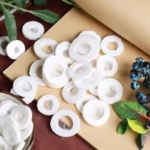

Recommended Usage: Drink for three consecutive days starting from the first day of admission to relieve physiological milk swelling.
Ingredients:
- 10g white tongcao
- 2 pieces of beautiful sweetgum fruit
- 500cc water
Instructions:
- Combine ingredients with water and boil for 30 minutes.
Effects:
- Reduces breast swelling, removes heat, and detoxifies.
- Promotes blood circulation and diuresis.
Gentle reminder for new mothers
While herbal teas are a wonderful addition to your postpartum recovery routine, always listen to your body and consult a healthcare professional if you have specific concerns or conditions. Balance is key—pair these teas with a nutritious diet, adequate rest, and moments of self-care.
By prioritizing natural remedies like liver-nourishing and milk-promoting teas, mothers can experience a recovery that feels both empowering and restorative. After all, caring for yourself is the first step to caring for your little one. Let nature nurture you through this incredible journey. 🌿

A Mother’s Journey: Testimonials from The Joyful Nest
Stepping into The Joyful Nest is like entering a sanctuary—a space designed not just for rest, but for renewal. Here, every mother finds the time, care, and connection she deserves during one of life’s most transformative journeys. Each story shared by our guests paints a vivid picture of resilience, love, and quiet joy.
Lan, a first-time mother, recounts her experience: “After weeks of sleepless nights and feeling completely drained, I came to The Joyful Nest hoping for just a little rest. But what I received was so much more. From the cozy bed to the thoughtfully prepared meals, I felt cared for in a way I hadn’t expected. The massages soothed my aching body, but it was the genuine warmth of the staff that made me feel truly understood.”
The Joyful Nest is not only a place to recharge but also a space for connection. Mai, a mother of three, shared: “Each of my childbirth experiences brought its own challenges, but meeting other mothers here reminded me that I’m not alone. The simple act of sharing stories over a cup of tea gave me the strength and comfort I didn’t know I needed.”
Behind every story is a journey of recovery—both physical and emotional. The Joyful Nest is more than a hotel; it is a haven where mothers can pause, breathe, and embrace the moment.
As Huong beautifully expressed: “Motherhood is a symphony of highs and lows. The Joyful Nest was my moment of calm, the note of peace I needed to gather my strength and continue writing my story with my baby.”
At The Joyful Nest, we welcome every mother to experience healing, understanding, and self-love—a pause in the whirlwind of motherhood to rediscover yourself and the joy in the journey.

Ensuring Safe Beginnings: A Guide to Safe Motherhood and Newborn
Motherhood marks one of the most transformative and cherished periods in life. However, with the joy of welcoming a new child also comes the responsibility of ensuring a safe and supportive start for both mother and baby. This guide will walk through key practices to support healthy beginnings, blending modern medical insights with nurturing traditions.

1. The Role of Comprehensive Prenatal Care
Regular Check-Ups: Prenatal care plays a critical role in ensuring the health of both mother and baby. Routine check-ups, including ultrasounds and health screenings, allow healthcare providers to track progress, manage potential risks, and address any health concerns early. For expecting mothers, prenatal care is the foundation of a safe and healthy pregnancy journey.
Nutrition and Supplements: Proper nutrition, including essential prenatal vitamins, provides the nutrients vital for fetal growth and supports a mother's well-being. Iron, calcium, folic acid, and DHA are particularly important, aiding in baby’s development and preventing deficiencies in the mother.

2. Preparing for a Safe Delivery
Birth Plans and Options: Planning for childbirth includes understanding personal preferences, options, and potential interventions. Whether opting for a hospital, birthing center, or home birth, it's crucial to have a detailed plan that includes emergency protocols and medical contacts.
Labor and Delivery Classes: Many mothers find value in attending childbirth classes, which offer practical knowledge on what to expect and provide techniques for managing labor. These classes help both mothers and their partners feel prepared and empowered, reducing anxiety about the birthing process.
Supportive Environment: Surrounding oneself with a supportive team during delivery can reduce stress and help ensure that the mother feels safe and empowered. Clear communication with healthcare providers about preferences, concerns, and birth goals can contribute to a more positive birth experience.
3. Postpartum Care for Mothers
Physical Recovery: After childbirth, a mother's body undergoes significant healing. Prioritizing rest, hydration, and gentle movement can aid in recovery. For those who experienced a cesarean section, careful wound care and regular follow-ups are essential for healing.
Mental Health and Support: Postpartum blues or even more serious conditions, like postpartum depression, can affect many new mothers. Emotional health is equally vital, and seeking out support, whether through family, friends, or professional counseling, can make a profound difference. Participating in mother support groups or postpartum wellness programs can provide a valuable sense of connection.
Establishing a Routine: Creating a routine that includes personal care time can help mothers manage the demands of newborn care. Even small acts like enjoying a quiet cup of tea, taking a walk, or engaging in light stretching can contribute to a mother’s sense of well-being.

4. Ensuring Newborn Safety and Health
Safe Sleep Practices: Newborns spend much of their time sleeping, making it important to provide a safe sleep environment. This includes placing babies on their backs to sleep, avoiding loose bedding, and keeping the sleep space free from toys or other objects. Ensuring a firm, flat mattress can help reduce the risk of Sudden Infant Death Syndrome (SIDS).
Health Check-Ups and Immunizations: Regular pediatric appointments ensure that babies are meeting growth milestones and receiving necessary vaccinations. These visits also provide parents with the opportunity to ask questions about feeding, development, and any concerns about the baby’s health.
Babyproofing the Environment: As babies grow and begin to explore, it becomes essential to create a safe home environment. Securing furniture, covering outlets, and installing baby gates can help protect little ones as they gain mobility.
Your well-being and peace of mind are the best gifts you can give to yourself and your newborn
This small reminder underscores the importance of self-care and calmness in the journey of motherhood, emphasizing that a mother's wellness directly supports her baby’s health and development
5. Breastfeeding and Nutrition
Feeding Choices and Support: Feeding is one of the most significant aspects of newborn care. Breastfeeding provides essential nutrients, antibodies, and bonding time. However, formula feeding is also a healthy alternative, ensuring that the baby receives all necessary nutrients. Lactation consultants can provide valuable support for mothers who choose to breastfeed, helping them establish a comfortable and sustainable feeding routine.
Mother’s Nutrition: For breastfeeding mothers, maintaining a balanced diet is crucial to sustain milk supply and energy. Hydration, protein, and key vitamins and minerals help meet the increased demands on the mother’s body. Consulting with a nutritionist or healthcare provider can guide mothers on optimal dietary choices for themselves and their babies.
Motherhood is a beautiful, transformative journey, and every step—from preparation to recovery—is an opportunity to nurture both yourself and your baby. By following these essential practices, you’re not only ensuring a healthy start for your little one but also embracing a supportive, balanced approach to your own well-being. Your well-being matters—and we are here to help you thrive in this precious chapter of life. Contact The Joyful Nest to learn more about our services and experience the calm and care you deserve.
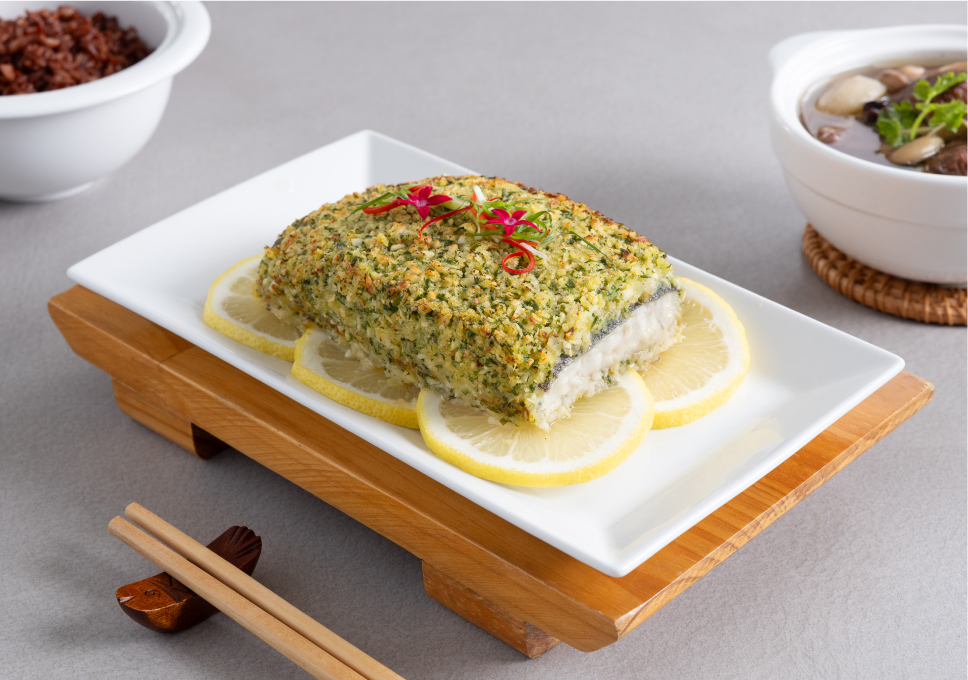
Postpartum Meal Recipes To Support Recovery For The New Mothers
After childbirth, a mother’s body undergoes significant changes and needs proper care to heal and regain strength. Nutrition plays a vital role, not only in replenishing energy but also in producing high-quality breast milk for the baby. Here are a few simple yet nutrient-packed recipes designed especially for postpartum moms.

Breastfeeding Basics: Overcoming Common Challenges
Breastfeeding is a beautiful and intimate way to nourish your baby, but it’s not always as simple as it seems. For many mothers, the journey comes with challenges, especially in the early days. At The Joyful Nest, we understand the importance of supporting new mothers through this precious time. Here, we’ll guide you through some of the common breastfeeding challenges and offer solutions to help you feel confident and empowered as you begin your breastfeeding journey.
1. Latching Issues
One of the most common challenges new mothers face is proper latching. A poor latch can lead to nipple pain and hinder your baby’s ability to effectively breastfeed. To overcome this, make sure your baby’s mouth covers both your nipple and the areola. If you're struggling, don't hesitate to ask for help from our lactation consultant. They can provide hands-on assistance and ensure that you and your baby are positioned comfortably.
2. Low Milk Supply
Many mothers worry about not having enough milk, especially in the early weeks. A low milk supply can be caused by various factors, such as stress, insufficient feeding, or not breastfeeding frequently enough. To help boost your milk supply, try to breastfeed on demand, ensure proper latch, and stay hydrated. If you're still concerned, expressing milk in between feedings can also stimulate production.
3. Engorgement
Engorgement occurs when your breasts become overly full and swollen, which can be painful and make it difficult for your baby to latch. To relieve engorgement, try breastfeeding frequently or expressing a small amount of milk to soften the breast. A warm compress before breastfeeding can also help, as well as cold packs between feedings to reduce swelling.
4. Sore Nipples
Sore or cracked nipples are common, especially during the early days of breastfeeding. To prevent soreness, ensure that your baby is latched properly and that you’re changing positions to avoid rubbing in the same spot. Applying nipple cream or coconut oil after each feeding can help soothe the skin and promote healing.
5. Emotional Strain
Breastfeeding can be physically and emotionally demanding. It’s okay to feel overwhelmed. Take time for yourself and ask for help when you need it. Whether it’s a loved one supporting you with household chores or taking a moment to relax, self-care is essential. Remember, every mother’s journey is different, and seeking support is a sign of strength, not weakness.
Breastfeeding is a learning process for both you and your baby. With patience, support, and the right guidance, you’ll overcome these challenges and experience the joy of nourishing your baby. Check out our The Joyful Nest website, we are here to support you every step of the way.

Mindfulness For New Moms Techniques For Stress & Anxiety Relief
Caring for a newborn can be overwhelming, balancing the joy of motherhood with the exhaustion that often accompanies it. This is completely normal. One powerful way to manage these mixed emotions is mindfulness—a simple yet effective tool that can help new moms find peace amidst the whirlwind of life. In this blog, we’ll explore some effective mindfulness techniques that can help ease stress and anxiety for new mothers. Through these simple yet powerful practices, you’ll learn how to master your emotions, calm your mind, and embrace tranquility in every moment, fostering a deeper connection with both yourself and your baby.
1. Deep Breathing
When stress begins to build up, one of the quickest ways to calm your mind and body is through deep breathing. Start by sitting comfortably, closing your eyes, and taking slow, deep breaths. Breathe in for a count of four, hold for four seconds, and exhale slowly for a count of four. Repeat this process for a few minutes. This simple technique helps lower stress levels, reduces anxiety, and encourages relaxation.
2. Body Scan Meditation
A body scan is a powerful mindfulness practice that helps you tune into your body and release any tension. To practice, lie down in a quiet space, and start by focusing on your feet. Slowly work your way up, paying attention to each part of your body and consciously relaxing it. As you go through each body part, notice any tension and breathe into it, allowing your body to release it. This practice not only calms your mind but also helps you reconnect with your body during postpartum recovery.
3. Mindful Parenting Moments
Being present with your baby is a great way to practice mindfulness. Instead of worrying about everything else, take a moment to truly focus on your baby. Whether you’re breastfeeding, changing diapers, or simply holding your little one, tune into the sensations, sounds, and emotions you’re experiencing in that moment. This practice can help ground you, reduce stress, and deepen your connection with your baby.
4. Gratitude Practice
A great way to shift your mindset from stress to calm is by practicing gratitude. Each day, take a moment to reflect on three things you’re grateful for. It could be something small like your baby’s smile or a peaceful moment to yourself. This practice helps cultivate a sense of positivity and mindfulness, easing feelings of anxiety and stress.
5. Gentle Movement or Yoga
If you’re feeling physically tense, gentle movement or yoga can be a wonderful way to release built-up stress. Postpartum yoga, even just a few minutes of stretching, can help you reconnect with your body and calm your mind. There are many online resources or local classes specifically designed for new moms that focus on gentle stretches and mindfulness.
Taking the time for mindfulness can be an act of self-love and care. As a new mom, you deserve to be calm, centered, and grounded. By incorporating these mindfulness techniques into your daily routine, you can reduce stress, ease anxiety, and embrace the joy of motherhood with a peaceful heart. Remember, caring for your own well-being is just as important as caring for your baby. Join The Joyful Nest to receive our thorough support for your motherhood journey—let us help you feel more relaxed, balanced, and empowered.


